Navigating the Complexities of Installing Solar Panels on Schools in California (DSA Projects)
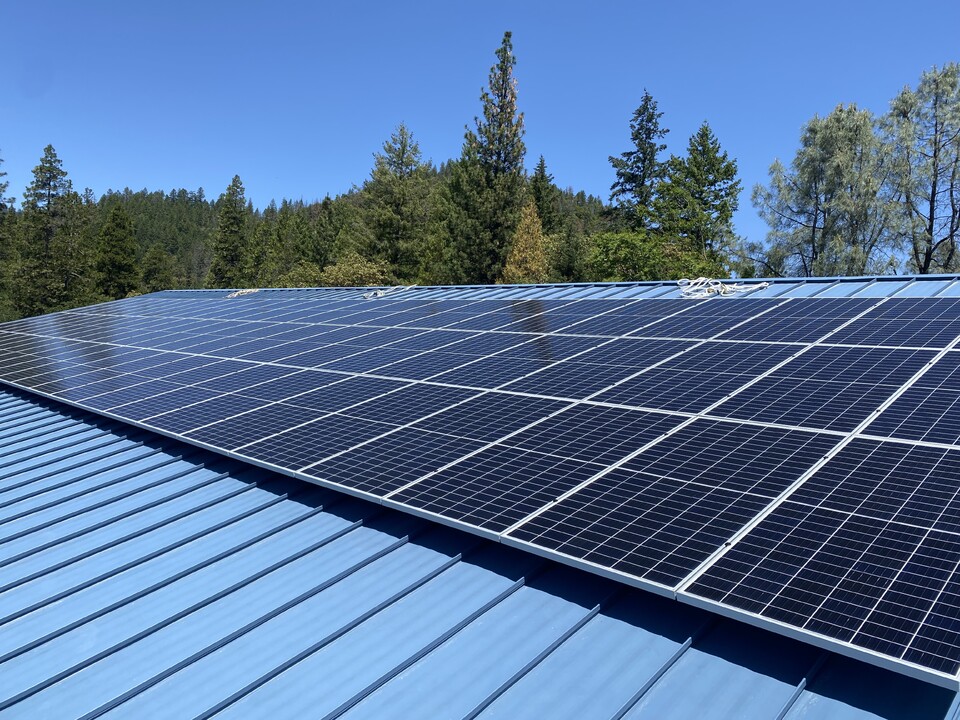
Installing solar panels on schools is one of the most impactful ways to reduce energy costs and promote sustainability. However, the process can be considerably more complex than standard commercial or residential installations — particularly in California, where additional regulatory requirements apply. Schools are public institutions, which means they face stricter design and construction standards. In addition to typical construction and electrical permits, school projects must comply with specific building codes and approval processes to ensure safety and long-term performance.
This is especially true in California, where all K–12 schools and community colleges fall under the jurisdiction of the Division of the State Architect (DSA).
Understanding DSA Oversight
The DSA is responsible for reviewing and approving all design and construction projects for public schools and community colleges in California. Its primary focus is ensuring that facilities meet state-mandated structural, seismic, and accessibility standards.
When it comes to solar panel installations, the DSA review process adds several layers of complexity, especially regarding structural engineering requirements. This includes verifying that:
- Roof structures can safely handle the additional weight of solar panels
- Systems are designed to withstand wind and seismic loads
- Anchorage and attachment methods comply with California Building Code provisions
The Role of Structural Engineers
Perhaps the most critical aspect of the DSA process is that all structural elements must be reviewed and stamped by a licensed Structural Engineer (S.E.).
A civil engineer (P.E.) license is not sufficient for DSA projects involving solar installations. Only a Structural Engineer licensed in California can provide the required stamp and ensure compliance with DSA standards.
This distinction is important and often misunderstood, leading to costly delays or rejected submittals when it’s not addressed early in the process.
Keys to a Successful Solar Installation on Schools
To keep a school solar project on track, it’s essential to:
- Engage a licensed Structural Engineer (S.E.) experienced with DSA projects early to confirm structural feasibility and DSA compliance.
- Coordinate closely with the DSA on forms, plan submittals, and review processes.
- Collaborate with experienced solar EPCs familiar with public-sector requirements.
- Perform thorough due diligence on the site’s structural capacity and design constraints before committing to system layouts.
By addressing these steps upfront, project teams can avoid costly redesigns and keep permitting timelines predictable.
How LCE Can Help
At Laguna Consulting Engineers (LCE), we have extensive experience navigating the DSA permitting process for solar projects across California. Our licensed Structural Engineers (S.E.s) are well-versed in DSA forms, plan reviews, and the unique structural considerations that apply to educational facilities.
Whether you need structural feasibility assessments, stamped structural drawings, or support for both structural and electrical engineering, our team can help streamline the process and ensure your project meets all state requirements.
If you’re planning a solar project for a school or community college, reach out to us at lagunaengineers.com — we’re here to help bring your project to completion efficiently and compliantly.